
With energy costs remaining high across the UK, knowing how to correctly set your heating temperature and programme your heating and hot water can make a significant difference to your energy bills—without sacrificing comfort.
As a gas engineer, I often see households wasting money simply because their systems are not set up efficiently. The good news is that small adjustments can lead to noticeable savings.
1. Set the Right Room Temperature
One of the biggest factors affecting your heating bill is your thermostat setting.
- Recommended temperature: 18°C to 21°C
- Ideal for most homes: 19°C to 20°C
Every 1°C increase can raise your heating bill by around 10%.
Practical Tips:
- Set your thermostat to 20°C and adjust slightly if needed
- Use 18°C at night for better sleep and savings
- Avoid turning it up high to “heat faster” — it doesn’t work that way
2. Understand Your Boiler Temperature Settings
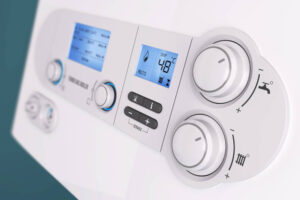
Your boiler has two key temperature controls:
a) Central Heating Flow Temperature
- For modern condensing boilers: 60°C to 70°C
- Lower temperatures improve efficiency and reduce gas usage
b) Hot Water Temperature
- Recommended: 50°C to 60°C
- Below 50°C risks bacteria (like legionella), above 60°C wastes energy
3. Programme Your Heating Schedule Properly
Many people leave heating on all day or turn it on/off manually—this wastes energy.
Best Practice: Heat Only When Needed
Example Schedule (Working Household):
- Morning: 6:30am – 8:30am
- Evening: 5:00pm – 10:30pm
If You’re Home More Often:
- Use shorter cycles instead of constant heating
- For example:
- Morning: 7am – 9am
- Midday boost: 12pm – 1pm
- Evening: 5pm – 10pm
Key Tip:
Set heating to come on 30 minutes before you wake up or return home, not hours earlier.
4. Programme Your Hot Water Efficiently
If you have a hot water cylinder (tank), programming is essential.
Do NOT:
- Leave hot water on 24/7
- Heat water when not needed
Recommended Schedule:
- Morning: 30–60 minutes before use
- Evening: 30–60 minutes before use
Hot water stays warm for hours in a well-insulated cylinder, so constant reheating is unnecessary.
5. Use Thermostatic Radiator Valves (TRVs)
TRVs allow you to control temperature room by room.
Suggested Settings:
- Living room: 3–4 (comfortable warm)
- Bedroom: 2–3 (cooler for sleep)
- Unused rooms: 1 or off
This prevents heating empty spaces and reduces overall usage.
6. Avoid Common Mistakes
❌ Turning thermostat up to maximum
❌ Leaving heating on all day “just in case”
❌ Heating unused rooms
❌ Running hot water constantly
❌ Setting boiler temperature too high
7. Smart Controls Can Save Even More
Installing a smart thermostat allows:
- Remote control via your phone
- Learning your routine
- Automatic energy optimisation
They can reduce heating bills by 10–20% when used correctly.
8. Quick Money-Saving Summary
- Set thermostat to around 20°C
- Reduce boiler flow temperature (if safe and suitable)
- Heat your home only when needed
- Programme hot water for specific times
- Use TRVs to avoid wasting heat
- Consider upgrading to smart controls
Final Advice from a Gas Engineer
Your heating system is only as efficient as the way you use it. Most households can cut their gas bill significantly without any upgrades—just by adjusting settings and schedules properly.
If you’re unsure about your boiler settings or controls, it’s always worth getting a qualified gas engineer to check and optimise your system.
Need Professional Help?
For expert advice, servicing, repairs, or system optimisation, contact:
Gas Care Plus
📞 07704 141410
Reliable, professional service to help keep your home safe, efficient, and cost-effective.